Online users expect payment systems to be fast, predictable, and dependable. Transactions happen frequently across multiple devices, platforms, and services, and any disruption can reduce confidence and engagement. Systems that fail to deliver consistent performance frustrate users and risk abandonment. This growing need for reliability has drawn attention to solutions like no kyc virtual card, which reflect a broader demand for digital payment systems built to perform consistently in modern online environments.
Reliability is no longer optional; it forms the foundation of user trust in online transactions.
How reliability shapes user behavior
Users interact with multiple digital services every day. They want to complete payments without worrying about errors, delays, or unexpected changes in process.
Payment systems designed for reliability minimize uncertainty. Users feel confident that transactions will complete successfully each time, which encourages repeated use and long-term engagement.
Predictable performance supporting user confidence
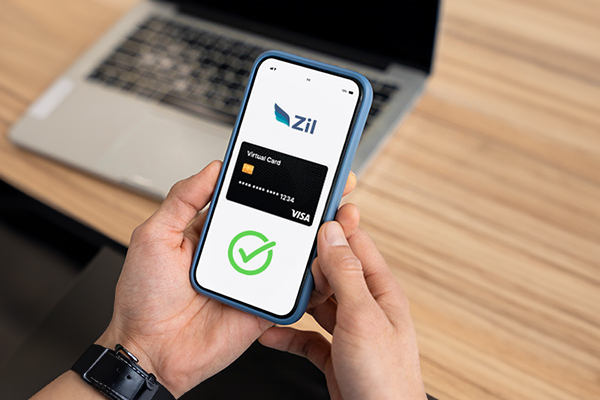
Predictability is a core component of reliability. When systems behave consistently, users know what to expect. They can plan and act confidently, focusing on their activity rather than monitoring the payment process.
Reliable systems reduce mental effort and allow users to transact without hesitation. Predictable performance builds trust, which is critical for users managing multiple transactions across platforms.
Supporting flexible digital routines
Modern online routines are varied. Users may pay from mobile devices, laptops, or tablets, and at different times of day. Reliable payment systems maintain consistent behavior across all contexts.
This adaptability ensures that users can complete transactions efficiently regardless of where or when they act. It strengthens user confidence and supports seamless integration into digital habits.
Reducing friction through consistency
Friction in payments—such as repeated verification, unclear steps, or delayed processing—can erode trust. Reliable systems reduce these interruptions, ensuring that transactions feel smooth and effortless.
When reliability is paired with reduced friction, users experience fewer disruptions and are more likely to engage regularly with online services.
Privacy and secure access
Reliable systems also handle privacy consistently. Users feel secure when their personal and financial data is protected, even while using multiple devices or services.
Maintaining security alongside reliability reinforces trust and supports long-term adoption, as users feel confident completing transactions without concern for data exposure.
How reliability shapes the future of online payments
As digital activity grows, reliable payment systems will continue to define user expectations. Users will favor tools that consistently deliver smooth, secure, and predictable transactions.
The future of digital transactions will depend on systems that combine speed, consistency, and security, providing seamless experiences that integrate effortlessly into everyday digital life.